Shopkeeper
The Shopkeeper is a minor figure in Yozo's life, yet his single act of violation becomes the decisive incident that shatters Yozo's last hope of living as a human being. An illiterate, undersized runt of about thirty, he runs a shop and occasionally commissions cartoons from Yozo, making a great ado over the trifling sums he pays. He appears only briefly, but the consequences of his action ripple through the remainder of Yozo's story, driving him into morphine addiction, a suicide attempt, and finally confinement in a mental hospital.
Identity and Background
The Shopkeeper is a local tradesman, described as an illiterate man of about thirty, undersized and physically unremarkable. He commissions cartoons from Yozo and pays him small sums, making a great fuss over the transactions. Yozo feels less hatred for the Shopkeeper than for Horiki, who discovered the violation and chose to inform Yozo rather than intervene. The Shopkeeper's defining characteristic is his ordinariness: there is nothing in his appearance or manner that suggests malice or passion. He is simply a man who takes advantage of an opportunity.
The Violation and Its Circumstances
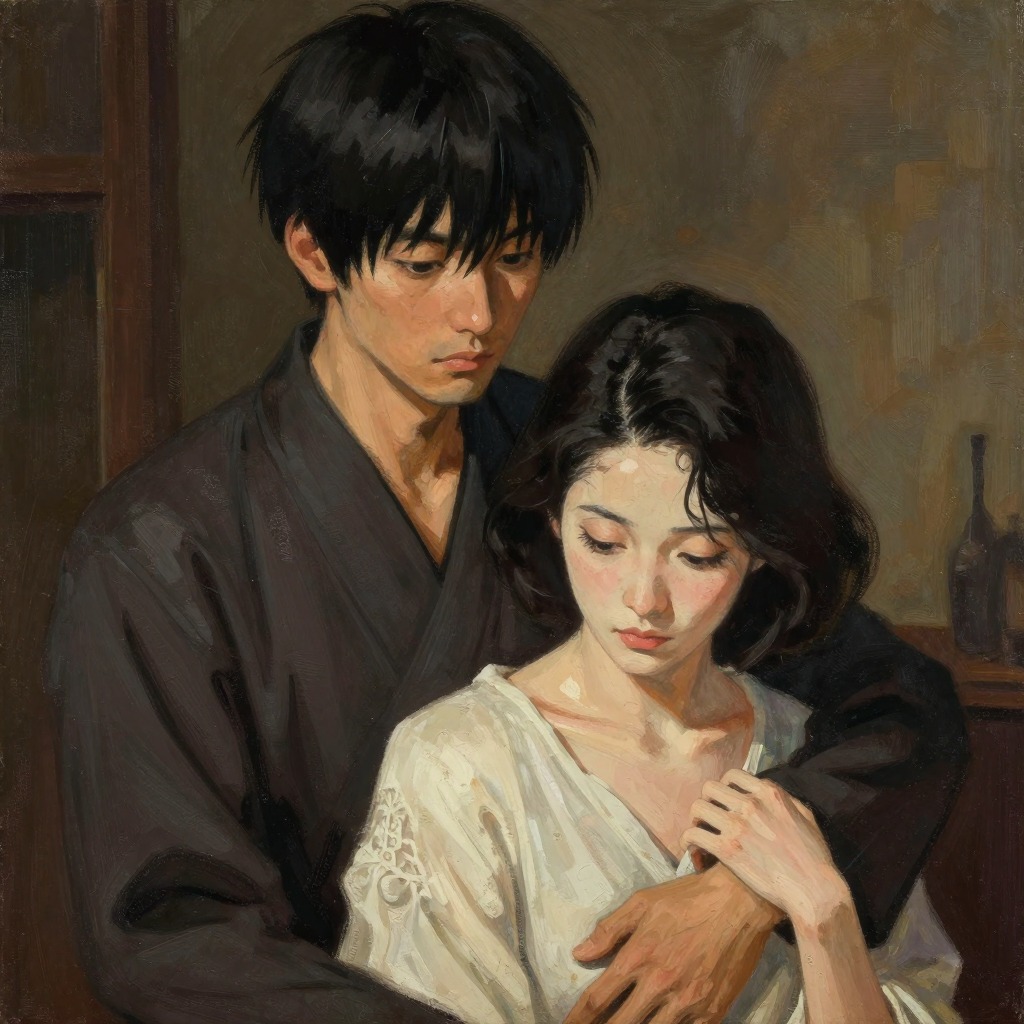
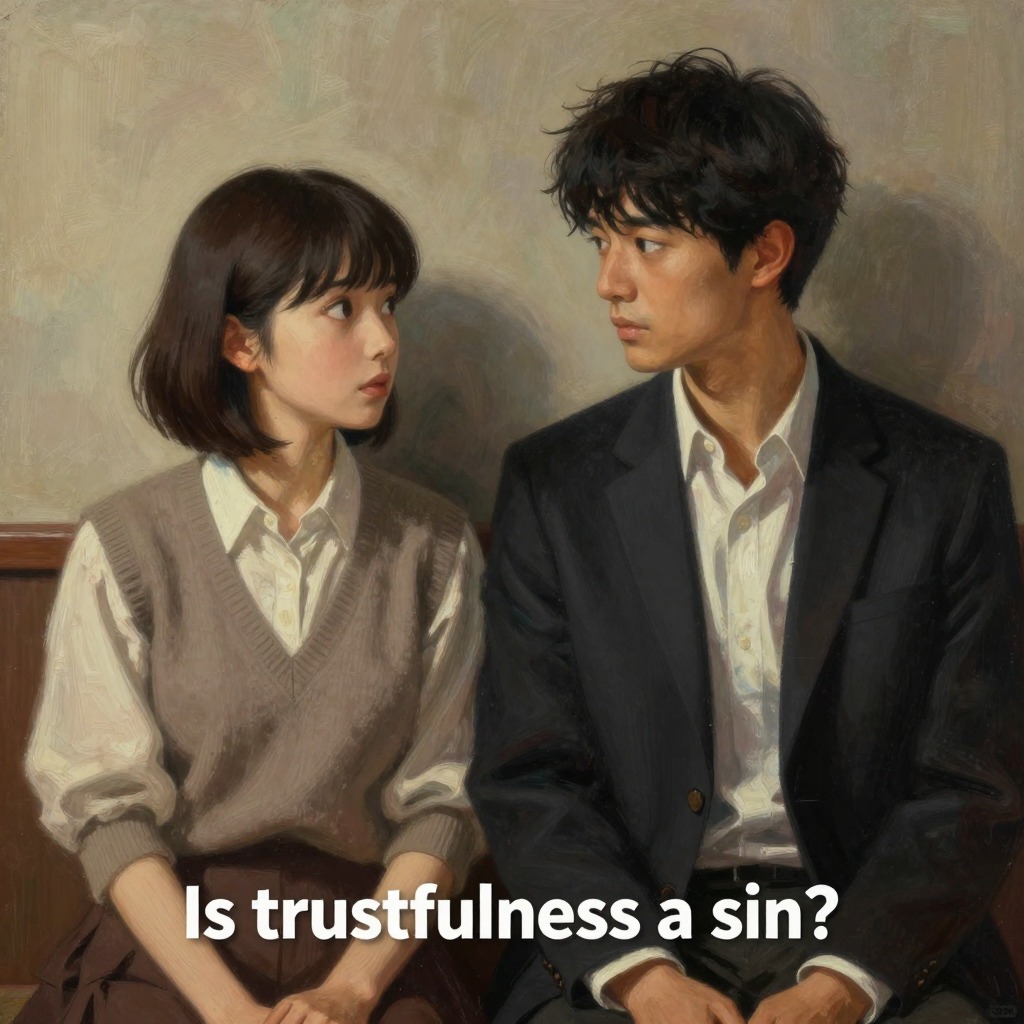
On a sticky hot summer's night, while Yozo and Horiki are drinking gin on the roof of the apartment building, the Shopkeeper enters Yozo's ground-floor room. Yoshiko, Yozo's wife, is there alone. She is a genius at trusting people, incapable of suspicion. The Shopkeeper tells her he will not do anything, and she believes him. Horiki, returning from the roof to fetch something, sees through a small window what is happening and calls Yozo to look. Yozo stands petrified on the staircase, not thinking to help Yoshiko. Horiki noisily clears his throat, and the Shopkeeper leaves. He never comes again.
Consequences and Aftermath
The violation is not a passionate affair but a mechanical act of opportunism. Yoshiko was trusting, and that was all there was to it. The incident cleaves Yozo between the eyebrows, a wound that throbs whenever he comes in contact with a human being. His hair turns prematurely grey from that night. He loses all confidence in himself, doubts all men immeasurably, and abandons all hopes for the things of this world. Yoshiko, once immaculately trusting, begins to fret over Yozo's every smile or frown, jumps when he calls her, and addresses him with excessive honorifics. Yozo's only resort is drink. His face coarsens, his teeth fall out from interminable drinking bouts, and his cartoons become pornographic. He begins secretly peddling copies of pornographic pictures to buy gin. The doubt that Yoshiko might have yielded more than once—perhaps with Horiki or someone else—gnaws at him, but he lacks the courage to question her. The incident leads directly to his morphine addiction, his second suicide attempt with Dial sleeping pills, and his eventual confinement in a mental hospital.
Thematic Significance
The Shopkeeper embodies the random, meaningless cruelty of the world. He is not a villain with grand motives; he is an ordinary man who commits an act that destroys two lives. Yozo's response—paralysis, then flight to the roof, then weeping—reveals his utter helplessness. He cannot forgive or refuse to forgive; he can only absorb the blow and disintegrate. The Shopkeeper's act demonstrates that trustfulness itself can be a source of sin, a question Yozo poses to God: "Is trustfulness a sin?" The Shopkeeper is the instrument through which Yozo's last fragile connection to human decency is severed, confirming his conviction that he is disqualified as a human being.